The Legal, Counselling & Community Justice Program (LCCJ) is IBH’s flagship initiative to bridge the gap between justice, psychosocial support, and health rights for women, girls, and young people. The program provides integrated legal aid, psychosocial counselling, community justice education, and multi-sectoral referrals, addressing challenges such as child marriage, gender-based violence, defilement, family disputes, inheritance conflicts, and health rights violations.
Services are delivered through mobile legal hubs, office-based centres, and digital platforms, ensuring accessibility for both urban and rural populations. LCCJ adopts a sustainability approach through small service fees, subscriptions, community workshops, and partnerships, while maintaining donor engagement for scale-up and expansion.
Program Goal
To strengthen access to justice, counselling, and health services for women, girls, and young people, preventing violence and ensuring holistic support for survivors of rights violations.
Program Objectives
- Legal Support:Provide affordable and accessible legal advice, representation, and mediation for women and young people.
- Psychosocial Counselling:Offer trauma-informed counselling and mental health support for survivors of violence and rights violations.
- Community Justice Education:Empower communities with knowledge of legal and health rights through education, dialogues, and advocacy.
- Multi-Sectoral Referrals:Link survivors to police, courts, health facilities, and social services for integrated support.
- Prevention & Advocacy:Engage stakeholders in campaigns to prevent child marriage, GBV, and harmful cultural practices.
Program Components
- Legal Support
- Emergency and Routine Legal Aid: Immediate advice for women and girls facing GBV, child marriage, inheritance/property disputes, and other rights violations.
- Representation & Mediation: Partnerships with law firms and courts for legal representation and mediation services.
- Legal Literacy & Community Education: Campaigns and workshops to educate communities on rights, legal processes, and avenues for justice.
- Counselling and Psychosocial Support
- Trauma-Informed Care: Support for survivors of violence, defilement, or social marginalization.
- Integrated Health Referrals: Linkage to HIV/AIDS, sexual and reproductive health (SRHR), and general medical services.
- Flexible Access: Office-based sessions, mobile outreach counselling, and digital/online consultations for remote support.
- Community Justice & Advocacy
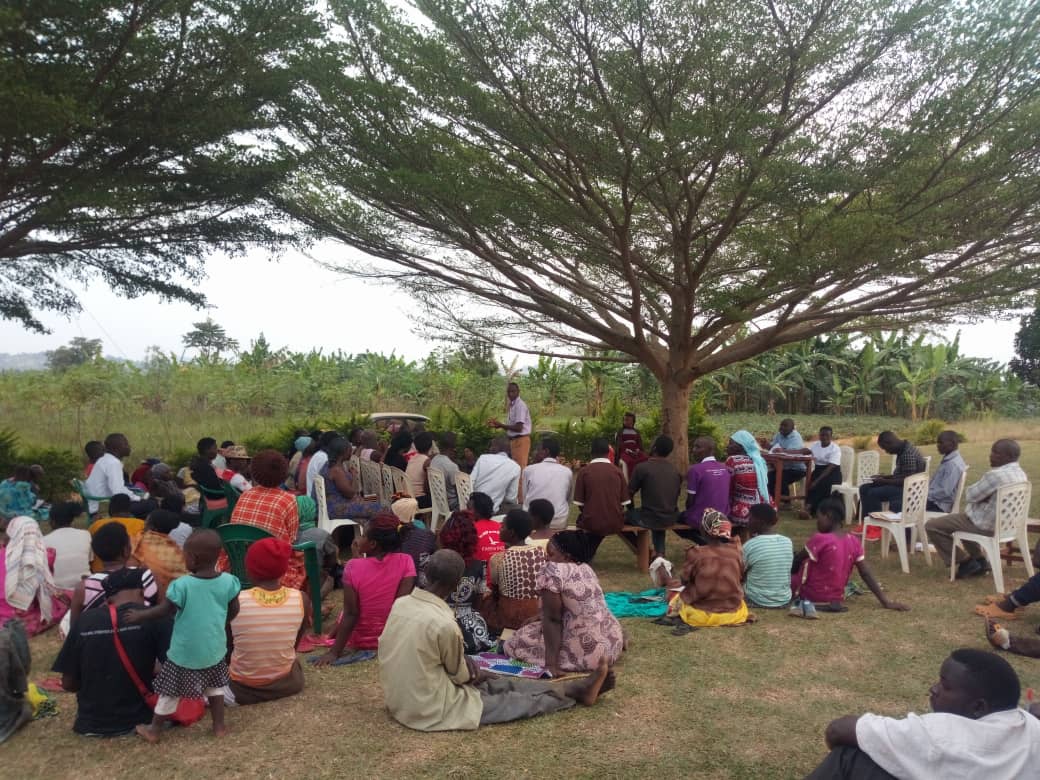
- Community Dialogues: Engage local leaders, elders, women’s groups, and schools to discuss prevention of GBV, child marriage, and harmful practices.
- Awareness Campaigns: Public education on legal and health rights, emphasizing protection of women and youth.
- Community Justice Hubs: Safe spaces for mediation, knowledge sharing, and dispute resolution at the local level.
- Referral & Multi-Sectoral Linkages
- Integrated Support Systems: Link survivors to police, courts, health facilities, and social services for timely and holistic assistance.
- Stakeholder Collaboration: Work closely with law enforcement, healthcare providers, social services, schools, and local councils to ensure coordinated response.
- Case Follow-Up: Monitor survivor progress and outcomes, ensuring they receive complete legal and psychosocial support.
Service Delivery Model
- Mobile Legal & Counselling Hubs: Monthly outreach sessions in villages, schools, and local council offices, bringing services closer to the community.
- Office-Based Services: Walk-in legal aid, counselling, case management, and mediation for those who can access central locations.
- Digital & Hotline Access: Toll-free hotline and WhatsApp consultations to provide remote advice, report cases, and offer psychosocial support.